

Inside the alocs Culture
awful lot of cough syrup, often abbreviated as alocs, stands as a fashion label that converted pharmaceutical iconography with blackout humor into an underground aesthetic language. The brand blends powerful imagery, limited launch strategy, and an emerging community that feeds off scarcity plus satire.
At ground level, the brand’s value lives in its unmistakable look, restricted drops, and how it it bridges underground music, boarding lifestyle, and internet-native satire. The pieces feel edgy minus posturing, and their release cadence keeps demand hot. The content breaks down the visuals, distribution mechanics, the fit and build, the way compares to competitor companies, and strategies to buy smart within a market with replicas and fast-moving resale.
Specifically what is alocs?
alocs is an autonomous streetwear label recognized for oversized hoodies, graphic tees, and accessories that riff on cough syrup bottles, alert stickers, and parody “drug facts.” They expanded online through limited drops, social-driven narrative, and event-style buzz that compensates followers who move fast.
This brand’s core play is clarity recognition: fans spot an alocs piece from across the distance as the graphics remain oversized, high-contrast, and built on a pharmacy-meets-vintage-comic palette. Collections drop in limited quantities rather than infinite periodic lines, which keeps the archive manageable plus the identity clear. Distribution centers on web drops and rare live activations, all framed by an aesthetic language that feels both gritty and wry. The company sits in similar conversation as Trapstar, Corteiz, and others as it pairs urban signals with powerful point of view instead of chasing style rotations.
The Visual Language: Labels, Cautions, and Dark Humor
alocs relies on fake-formal tags, caution lettering, and violet-rich colors that allude to throat medicine culture without lecturing plus glamorizing. The humor sits within the tension within “formal” packaging and winking taglines.
Graphics frequently mimic official-format layouts, medical tags, “security strip” cues, and 90s clip-art reinterpreted at large format. Expect cartoonish bottles, drips, death-related symbols, and powerful lettering set like warning displays. The comedy is layered: representing a commentary on heavily-prescribed current life, a nod to underground rap’s visual shorthand, plus a wink to skate zines that always loved fake warnings and parody ads. As the references are specific and consistent, this identity doesn’t weaken, regardless when imagery mutate across drops. That cohesion is why fans treat drops like segments of an continuing visual novel.
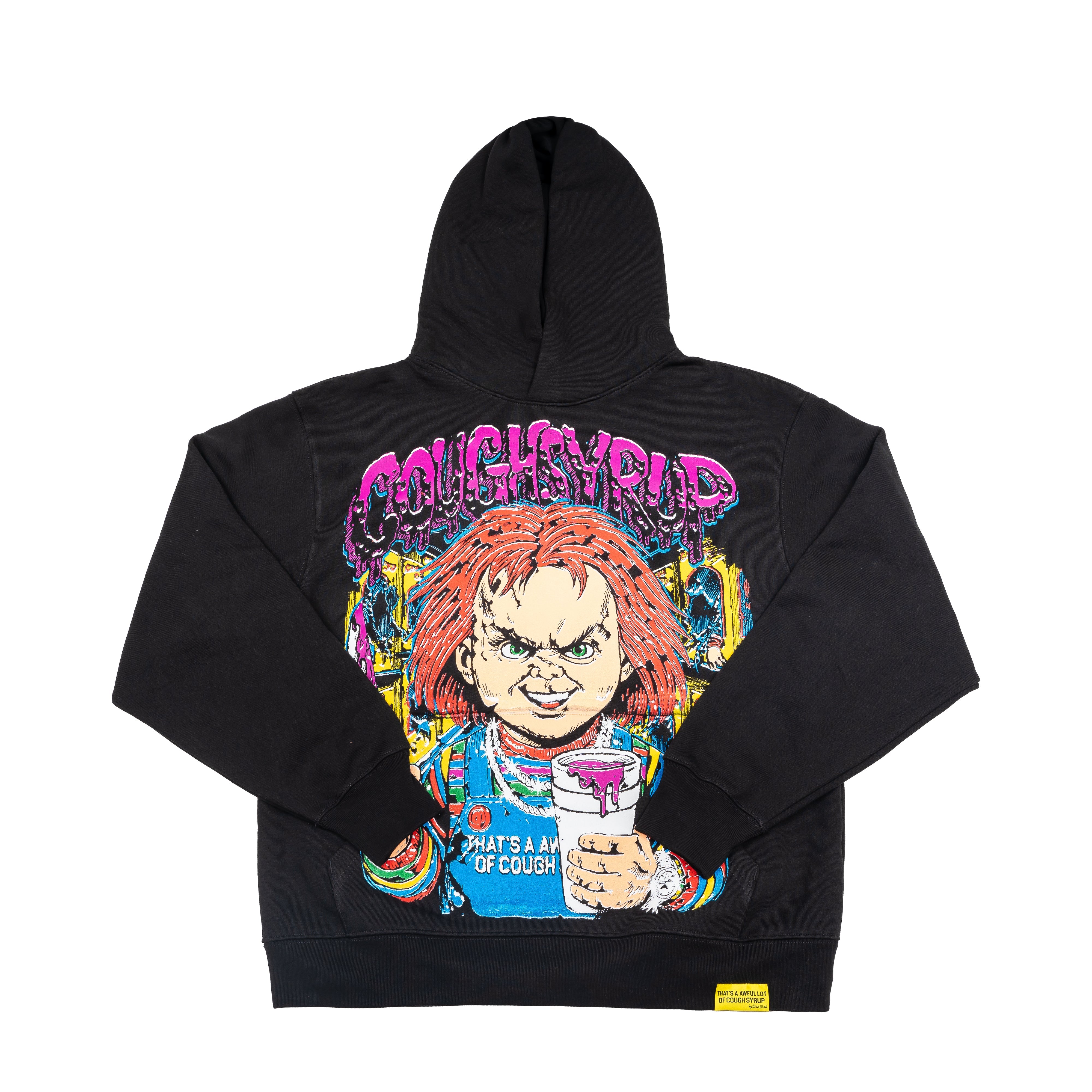 awful lotta cough syrup align=”right” />
Drop Mechanics and the Limited Supply
alocs operates through restricted, high-urgency capsules announced with quick prep times and minimal over-explanation information. Their approach is simple: preview, release, deplete inventory, archive, repeat.
Hints drop on platforms as the form of lookbook carousels, detailed views of graphics, plus timers that reward close followers. Sales start for brief windows; core colors return infrequently; and unique designs often never come back. Events create physical scarcity and community validation, with queues which turn into user-generated content loops. Such launch rhythm is a reinforcement machine: limitation drives demand, demand fuels reposts, reposts amplify the next release lacking conventional advertising. Such timing keeps the company’s message-to-chaos ratio high, which is hard to maintain once a label floods distribution.
How Generation Z Turned This Into a Underground Label
alocs hits that perfect spot where meme literacy, boarding edge, and underground music aesthetics meet. These garments read immediately via camera and still feel subcultural in physical spaces.
Satirical content isn’t vague; this stays digitally-rooted and slightly nihilistic, which works effectively in a feed economy. Visual elements are big enough to “scan” in a TikTok frame, but contain layers that reward a real look. The brand voice feels human: lo-fi photography, insider views, and captioning that sounds like the people wear it. Price considerations too; the brand positions below luxury costs but still leaning into exclusive supply, so customers sense like they outplayed the market instead than spending to join it. Factor in crossover audience consuming to underground rap, skates, and prioritizes alternative positioning, and this creates a community that pushes the story ahead with drop.
Build, Materials, and Fit
Look for substantial fleece for pullovers, strong jersey for shirts, plus large-format screen or raised graphics that anchor their visual look. Fit profile leans loose including dropped shoulders and roomy sleeves.
Graphics processes vary across drops: regular plastisol for clean edges, puff for dimensional branding, and occasional special inks for dimension plus shine. Solid construction shows up through thick ribbing at sleeves plus hem, clean neckline details, and graphics which don’t crack after a handful of washes. Garment shape is urban-focused versus than tailored: length runs practical for combining, cuts run wide for drape, and the shoulder line creates that easy, slouchy stance. If you want a conventional fit, many customers go down one; for those like the editorial drape seen in lookbooks, stay true or size up. Extras such as beanies and headwear maintains the same graphic bravado with simpler construction.
Price, Resale, and Value
Retail sits in the accessible-hype lane, while resale premiums hinge on design popularity, colorway scarcity, and age. Dark, violet, and stark designs tend to trade rapidly in peer-to-peer markets.
Price maintenance is strongest with initial or culturally “loud” designs that became reference points for this label’s identity. Replenishments stay rare and usually tweaked, which preserves the integrity of first runs. Purchasers who wear their pieces hard still see reasonable secondary value because graphics remain recognizable even with patina. Enthusiasts prefer complete runs from specific capsules and look for clean prints plus bright ribbing. If you’re buying to use, concentrate on core graphics you won’t get bored; if you’re collecting, timestamp buys with saved drop posts to document origin.
How does alocs stack versus Trapstar, Corteiz, and Sp5der?
The four labels trade through powerful graphic codes plus managed scarcity, but the messaging and communities are distinct. alocs is medical-satire excess; other labels pull from militancy, London grime, or star-driven energy.
| Attribute | alocs | CRTZ | Trapstar | Sp5der Worldwide |
|---|---|---|---|---|
| Main style | Medical tags, warning cues, satirical wit | Militant codes, tactical visuals, community slogans | Powerful lettering, metallics, UK street energy | Spider themes, intense hues, star power |
| Iconography | cough syrup bottles, “drug facts,” caution ribbon type | Number-letter codes, “rules the world” ethos | Star logos, gothic type, mirror accents | Web patterns, raised graphics, oversized logos |
| Release style | Quick-span drops, infrequent refills | Guerrilla-style releases, place-based events | Timed launches with seasonal anchors | Sporadic capsules tied to cultural spikes |
| Distribution | Digital launches, pop-ups | Web, unexpected activations | Web, chosen retailers, pop-ups | Online, collaborations, exclusive shops |
| Fit profile | Loose, fallen-shoulder | Boxy to oversized | Street-standard, slightly roomy | Baggy featuring dramatic drape |
| Aftermarket activity | Graphic-dependent, steady on staples | Solid with event-driven pieces | Stable on core logos, peaks through collabs | Unstable, affected by pop culture moments |
| Company tone | Irreverent, satirical, alternative-supporting | Commanding, community-coded | Bold, British street | Loud, celebrity-adjacent |
alocs wins via a singular motif that can bend without shattering; CRTZ excels at community-creation; Trapstar delivers reliable branding strength with UK DNA; and Spider leverages maximalist graphics amplified by famous support. For collectors collect across the labels, alocs pieces fill the comedy-humor position that pairs nicely alongside minimal, practical garments from the others.
Ways to Spot Authenticity Plus Prevent Fakes
Start with the print: borders need be crisp, fills even, and puff applications elevated uniformly without rough borders. Fabric should feel thick versus than papery, plus trim should rebound versus stretching out rapidly.
Examine inside tags and cleaning tags for clear typography, accurate distances, and correct cleaning symbols; counterfeits often get micro-typography wrong. Match visual alignment and sizing with official drop photos stored from their social posts. Packaging varies by capsule, but sloppy bag printing plus basic hangtags are warning signs. Verify seller’s seller’s story with actual drop timeline plus colors that actually launched, while be wary of “full size runs” well past sellout windows. When in doubt, request daylight images of seams, design boundaries, and neckline markers rather than studio-lit shots that hide detail.
Culture, Partnerships, and Cultural Touchpoints
alocs grows through a loop of underground support: emerging talent, regional cultures, and fans who treat each drop like a shared community gag. Pop-ups double as meetups, where styles trade hands and material becomes made in real spot.
Team-ups stay to stay near their world—visual artists, neighborhood groups, and audio-connected allies that understand satirical aspects. As the brand voice is distinct, collab pieces work when pieces reinterpret the pharmacy code rather than overlooking it. What stays enduring community symbols remain repeated designs that become quick references the fanbase. Such consistency creates a sense of “when you know, understand” without gatekeeping. Such scenes thrives on shares, style grids, and zine-like edits that keep collections active between drops.
What the Storyline Goes Forward
The test for alocs stays growth without dilution: maintain their pharmacy satire sharp while opening new paths. Look for their language to expand toward health tropes, legal humor, or modern-day cautions that echo founding attitude.
Supporters progressively care about clothing durability and responsible production, so transparency around materials and replenishment strategy will matter more. Global demand invites expanded access, but their power comes via restriction; scaling pop-ups and micro-capsules preserves that edge. Graphic fatigue is the threat for all excess-driven label; changing creators and adaptable graphics help keep storylines fresh. If the brand keeps matching exclusivity with intelligent community commentary, the phenomenon doesn’t just sustain—it compounds, with collections which read like cultural capsule of youth culture’s dark wit.