Category: Bookkeeping

Bookkeeping And Accounting in Richmond Hill, ON Bookkeeping Services

law firm bookkeeping richmond hill

Contact us for a free consultation to determine which type of bookkeeping is required or beneficial for your business. We take over with online/remote bookkeeping, HST filing, expense classification, payroll, and clear monthly reporting—ensuring your numbers make sense and your taxes are filed right. From starter packages for budding entrepreneurs to comprehensive solutions for growing businesses, we have options to fit your needs.

law firm bookkeeping richmond hill

Specialized Law Firm Bookkeeping Services Secure. Accurate. Timely.

Thorough investigation and preparation create a stronger legal position for contested proceedings or settlement negotiations. Detailed evidence and credible expert analysis increase the persuasive weight of claims in court or at mediation. This stronger position often translates into better settlement terms or more decisive court rulings. A robust legal posture also reassures beneficiaries that the matter is being addressed professionally and strategically. Comprehensive representation can also reduce the risk of repeated abuse by ensuring fiduciaries are replaced and oversight is strengthened. The process often uncovers broader patterns of misconduct that a cursory response would miss.

  • We also ensure that sales taxes, employer health tax, WSIB and payroll deductions accurately accounted for and filed on time.
  • Our tax services include tax planning, filing corporate tax returns, Interpreting and helping you comply with tax laws, claiming tax benefits, and ensuring your business doesn’t undergo any exploitation during taxation.
  • We review the documentation for signs of undue influence, suspicious transfers, or irregularities in execution.
  • We appreciated his attention to detail, prompt service and ah-hoc support throughout the year, along with guiding us through our first year end as a small business.
  • Thoughtful coordination also reduces the administrative burden on individual trustees and supports smoother conclusion of the trust.

Payroll Management

law firm bookkeeping richmond hill

We have been very impressed and satisfied with the level of service we have received from this firm. We have had great peace of mind knowing The Importance of Expert Bookkeeping for Law Firms that Accounting for Law is handling our books and we would highly recommend, and have recommended, accounting for Law’s services to our fellow lawyers. When trial is necessary, we assemble documentary and testimonial evidence, coordinate expert witnesses, and build persuasive legal arguments tailored to Georgia probate law. Trial preparation includes exhibits, witness preparation, and strategy for presenting complex financial information clearly to the court. We pursue remedies designed to make beneficiaries whole and to secure proper estate administration going forward. Collecting bank statements, deeds, tax returns, trust documents, and correspondence is a priority to establish the factual record.

law firm bookkeeping richmond hill

HARRIS COUNTY RECORDS, ONLY

Legal remedies can include invalidating the will, restoring a prior will, or equitable relief to address https://www.yuks.co/law/the-primary-aspects-of-bookkeeping-for-law-firms/ improper transfers. As a lawyer or paralegal or law firm in Richmond Hill, you must ensure Law Society of Ontario (LSO) trust compliance, proper separation of client funds, and audit-proof ledgers. In my first year with Majid at Budget Accounting, he not only provided stellar service but also saved me thousands of dollars, identifying tax-saving opportunities that previous accountants had overlooked.

Document collection and review

The court process establishes the executor’s authority and triggers statutory notice requirements to creditors and heirs. We manage the process of publishing or sending notices and collecting responses from creditors. Careful handling of filings and notices protects the estate and moves administration forward efficiently. We review the will, deeds, account statements, insurance policies, and any estate planning documents that affect administration. This review identifies potential issues such as ambiguities in the will, beneficiary designations, or creditor exposure. Understanding the estate’s full picture enables accurate inventorying and planning for valuations or sales.

Consider mediation before trial

Our process begins with a thorough intake to identify relevant documents, parties, and immediate risks, followed by an initial legal assessment and recommended steps. We prioritize early evidence preservation, timely filings when necessary, and exploring alternative dispute resolution before costly litigation. Throughout the matter we keep clients informed, coordinate with experts, and prepare all filings and evidence to meet court standards. If trial becomes necessary, we proceed with full discovery and courtroom preparation to protect client interests. Claims of fiduciary mismanagement or self-dealing occur when an executor or trustee is accused of breaching duties, wasting estate assets, or failing to account for transactions.

law firm bookkeeping richmond hill

Even when litigation is necessary, mediation efforts can refine the issues and narrow the contested points, making subsequent proceedings more efficient. Discuss the potential of mediated settlement with counsel as part of an overall strategy tailored to your objectives. When facing an inheritance dispute, you can choose a limited, targeted approach for specific issues or a comprehensive strategy that addresses the estate more broadly. Limited approaches focus on narrow remedies—such as seeking temporary relief, filing a specific claim, or negotiating an isolated settlement—to resolve one discrete problem quickly. Comprehensive representation examines the entire estate administration, potential multiple claims, and long-term consequences, often including full discovery, litigation readiness, and coordination of related claims.

Equity Meaning, Formula, Examples, Types and Ownership

owners equity meaning

Owner’s equity is the indication of the company’s financial health, as more owner’s equity depicts strong financial health and vice-versa. Owner’s equity is the right owners have to all of the assets that pertain to their business. The additional paid-in capital refers to the amount of money that shareholders have paid to acquire stock above the stated par value of the stock. It is calculated by getting the difference between the par value of common stock and the par value of preferred stock, the selling price, and the number of newly sold shares.

owners equity meaning

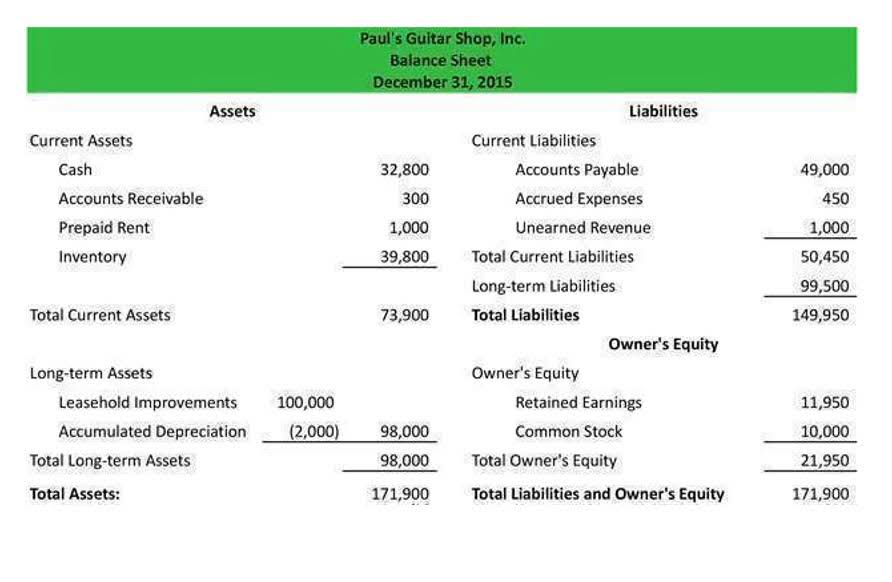
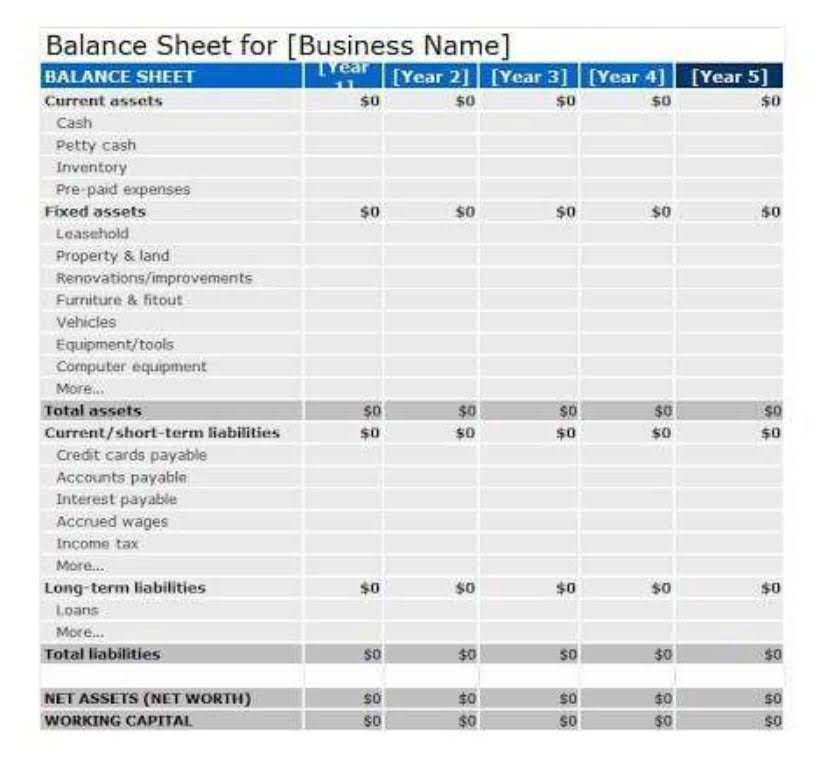
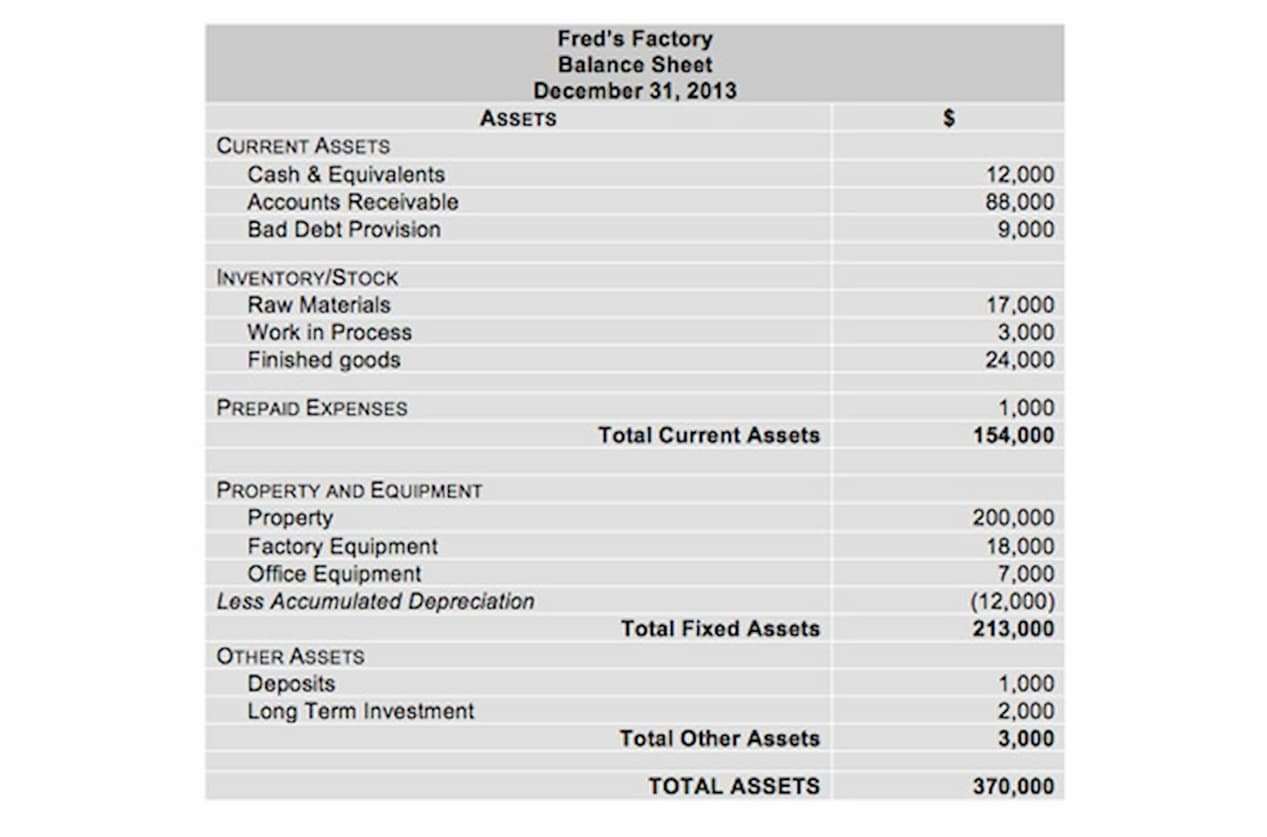
Owner’s equity on Balance Sheet

owners equity meaning

Net earnings are split among the partners according to the percentage of the business they own. Depending on how Statement of Comprehensive Income a company is owned or operated, owner’s equity could be attributed to one owner or multiple owners. There is a basic overview of equity accounts and how their interact with the overall equity of the company. Revenues – Revenues are the monies received by a company or due to a company for providing goods and services. The most common examples of revenues are sales, commissions earned, and interest earned.

The Impact of Profits and Losses on Owners Equity

  • It’s recorded on your company’s balance sheet and is a vital indicator of its financial health.
  • Think of it as a testament to how much your investors believe in what you’re building.
  • We can calculate owner’s equity by subtracting the total liabilities of a company from its total assets.
  • Improving owner’s equity is an ongoing process that requires consistent effort and strategic decision-making.
  • Accumulating more retained earnings over time can increase the owner’s equity and contribute to higher net worth.

Capital contributions increase the owner’s equity because they represent additional business assets that the owner(s) bring to the table. On the other hand, if the business incurs debts or liabilities, it would reduce the owner’s equity. It’s important to note that in some cases, a business may have negative owner’s equity if the liabilities exceed the assets contributed by the owner(s).

owners equity meaning

The dynamics of increasing and decreasing owner’s equity

  • It could be due to accumulated assets over time or low liabilities, rather than current profitability.
  • In simpler terms, it’s what the owners of a company can rightfully claim as theirs once all debts and obligations have been settled.
  • AS Tax & Accounting is a highly experienced New Jersey, accounting firm with the insight to uncover financial opportunities and the commitment to see them through.
  • It’s a reflection of ownership value and is often referred to as net worth in personal finance.
  • Expenses – Expenses are essentially the costs incurred to produce revenue.

The liabilities comprise short-term debts, long-term debts, and other liabilities recorded on the balance sheet. Investing in equity ownership is riskier than investing in other financial instruments. Any loss encountered by the firm is directly reflected in the shareholders’ earnings.

owners equity meaning

What are Examples of Owner’s Equity?

  • This way you can make informed decisions to impact and improve your owner’s equity.
  • Debt capital refers to funds loaned to the company from a bank to fund purchase of assets used in the business.
  • This figure is a snapshot of the value you, as the owner (or shareholders, in the case of a corporation), have built within the business.
  • Properly tracking and reporting these transactions can help ensure smooth financial operations and avoid potential misunderstandings among business owners.
  • There are four main components of owner’s equity or shareholder’s equity.
  • These differences often appear in commerce papers and board exams.

Each partner’s share of profits and losses, as well as withdrawals, affects their respective equity. This formula may seem simple, but understanding each component is crucial to calculate owner’s equity accurately. These small units of accounting business ownership are offered to the investors. The ownership value of a sole proprietary firm is evaluated after deducting the overall liabilities from the company’s total assets. Total assets include all current, fixed, tangible, and intangible assets represented on the company’s balance sheet.

owners equity meaning

owners equity meaning

For example, if a business has assets of $100,000 and liabilities of $40,000, the owner’s equity is $60,000. To summarize, an analysis of owner’s equity is essential for financial decision-making, as it provides insights about a company’s financial status and growth potential. Its role in leveraging and funding is critical for both investors and lenders in determining the attractiveness and feasibility of supporting a company’s future growth endeavors. On the contrary, a dip in sales or an increase in liabilities leads to a decline in owner’s equity.

Outsource Bookkeeping Services in India

outsourced bookkeeping

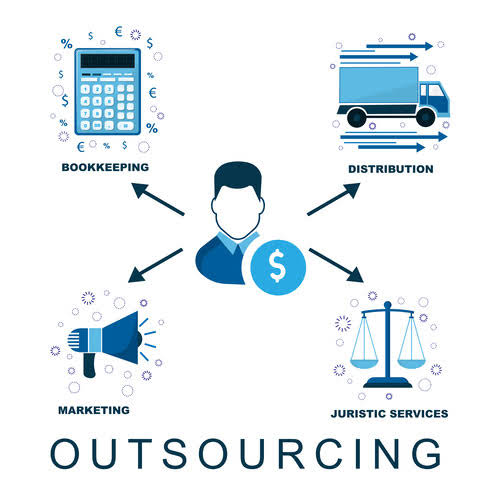
External bookkeeping services offer scalable and customizable solutions tailored to client needs. Packages often include transaction recording, bank reconciliation, payroll processing, and financial reporting. Bookkeeping costs or pricing models vary, ranging from flat fees to tiered plans, ensuring flexibility and affordability for businesses of all sizes. Outsourced bookkeeping is the process of hiring an external service provider or accounting firm to manage your business’s financial tasks, rather than handling them in-house. These tasks include recording transactions, reconciling accounts, managing payroll, preparing financial reports, and ensuring tax compliance. An outsourced accounting provider also provides access to advanced accounting technologies and expertise that might be costly or impractical to maintain in-house.

outsourced bookkeeping

Potential for inconsistent service

  • Outsourcing your bookkeeping can open the door to several benefits that could help you grow your business.
  • Costs vary, starting under $100 per month for basic services to over $1000 for comprehensive plans.
  • Establish consistent check-ins and define your preferred communication tools and response times upfront.
  • Out-of-scope work such as audit support, tax return preparation, or retrospective reconciliations typically attracts extra fees.
  • That can be a lot if you simply need someone to perform bank reconciliations and forecasting.
  • All of your bookkeeping will be handled by people who understand the importance of accuracy and attention to detail.

You have made your choice, and now it’s time to enjoy having a dedicated account manager and bookkeeper do the job for you. The right provider should have access to advanced financial tools and automation systems that streamline processes and improve accuracy. Look for those that use secure, cloud-based platforms for real-time financial tracking, reporting, and data management to keep your operations efficient and transparent. First, you’ll contract with the company and pay them a fixed monthly fee for their services. Then the outsourced bookkeeping firm will work with your business to understand your needs and goals. Next, they’ll provide a report detailing your financial performance every month or quarter.

outsourced bookkeeping

The Complete Guide to Outsourced Accounting

outsourced bookkeeping

Your bookkeeper might use software or processes different from the ones you currently use. Ask early on about tool preferences and whether training, setup, or migration will be required. At Pilot, your dedicated account manager is always available to support you and answer any questions. Navigating the difficulties of regulatory compliance retained earnings can be daunting, especially with frequent changes in tax laws and reporting requirements. You’ll also need to handle the screening process on your own, which can get time-consuming quite quickly. Help is also available to set up integrations with Gusto, Expensify, and Stripe.

How to Select a Bookkeeping Outsourcing Provider

Some businesses also bring in a part-time bookkeeper but assign them extra administrative tasks in order to create one full-time position. And, in the event that someone handling your books has to take a leave outsourced bookkeeping of absence, another bookkeeper can take over, so you don’t have to worry about service gaps. Beyond day-to-day operations, having your bookkeeping taken care of by a professional expedites the tax filing process.

outsourced bookkeeping

These tasks are more strategic in nature than the work typically performed by bookkeepers. When you’re a Pro, you’re able to pick up tax filing, consultation, and bookkeeping jobs on our platform while maintaining your flexibility. Finding an accountant to manage Grocery Store Accounting your bookkeeping and file taxes is a big decision.

  • These tools can help automate processes, improve reporting, and support your business’s growth.
  • Accounts receivable (AR) and accounts payable (AP) are essential accounting functions for any business.
  • QX Global uses a 3-pronged approach that blends people, process & platform to provide outsourcing solutions that help enterprise businesses manage their capacity.
  • This phase aims to document your current processes and fully understand your business to establish a baseline for improvement.
  • Meanwhile, your core business suffers as you scramble to find qualified accounting talent in an increasingly competitive market.

CPA Firm in Houston, Texas Evans Sternau CPA

houston accounting firms for startups

From energy and technology to healthcare and finance, accounting professionals apply their expertise to navigate complex financial matters and drive growth in the Lone Star State’s robust industries. In this dynamic environment, the accounting industry plays a vital role in supporting the state’s economic prosperity. At M&K CPAS, we provide tax, audit, and assurance services designed specifically for accounting services for startups small businesses. We understand that as a business owner, your financial statements aren’t just reports — they’re tools for building trust with lenders, investors, and customers. Our audits deliver clarity, credibility, and confidence in your financial information, so you can make informed decisions and plan for growth.

  • Virtual accounting offers secure access, efficiency, and consistent support while maintaining local expertise.
  • Below, we’ll explore Desroches Partners and highlight some of the factors that led us to name it a top 2017 accounting firm in Houston.
  • These firms provide detailed startup accounting services and specialized CPAs to match your specific needs.
  • Second, there has been a huge rise in the number of new businesses since the pandemic.
  • Having expert support for tax notice and audit representation can make a significant difference in these situations, turning a potentially stressful event into a manageable process.
  • Our team will ensure your financial records are immaculate, your metrics are on point, and your financial story is compelling.

How to Set Your Startup Up for Accounting Success

This Houston CPA firm has been growing for more than 50 years and continues to deliver a depth of knowledge, insightful solutions, and client-driven service. This personalized approach allows Desroches to help clients uncover the best possible business and tax strategies not only for their current situation but into the long-term as well. Desroches Partners, LLP, is located in the Energy Corridor of West Houston and provides services including tax, consulting, and assurance. With a multitude of smaller services beneath these three core business categories, Briggs & Veselka Co. can create tailored business solutions for each and every company. CPA Connect is a membership organization giving ABIP access to more than 29,000 accounting, audit and tax professionals located throughout the world.

houston accounting firms for startups

Key Takeaways

Their approach is reliant on creating new solutions and driving clients toward greater financial success and security while helping them overcome potential hurdles or complexities. The comparison table shows big price differences between providers—Decimal starts at $265 monthly while more complete services begin at $1,250+ per month. Note that cheaper options might cost more long-term if they lack vital services for your business model. Monthly accounting services cost between $500 to several thousand dollars based on complexity.

Contact Your Houston CPA Professionals Today

Companies with complex needs might pay more based on transaction volume and required services. Each plan includes a dedicated accounting manager, accrual-basis bookkeeping, and monthly calls. Our strategic financial guidance helps you budget and forecast efficiently and effectively, so you meet your milestones and growth objectives. Master-planned community north of Houston with 200,000+ residents and growing corporate presence.

houston accounting firms for startups

PKF Texas, located in Houston, offers extensive business advisory services with a penchant for technological advancements. Their expertise in the tech industry positions them as a strategic partner for tech startups and growing businesses. The firm is known for its innovative approach and industry-specific insights. 1-800Accountant serves small businesses in Houston and the surrounding metros. For over 20 years, the company has been working with a diverse customer base, including truck operators, real estate agencies, e-commerce stores, freelancers, and nonprofit organizations.

houston accounting firms for startups

Established in 1962, Harper & Pearson has a reputation for being one of the most long-standing, full-service accounting firms in the greater Houston area. As a top accounting firm in Houston, it’s important to be able to offer your extensive range of clients unique and diverse perspectives—and that’s what clients receive at EEPB. This Houston accounting firm works with targeted clientele, which they define as “focusing 100% on the 1%.” This includes high-net-worth individuals and privately held businesses in varied industries. Services include assurance, tax, accounting, and specialized options so that clients have the information and personalized guidance they need to manage both their businesses and their individual finances. We worked with Silicon Beach startups, angel-backed, venture-funded, and private equity portfolio companies. The firm has earned its reputation as the “consummate founder’s CPA firm” by handling complex startup tax matters that go way beyond the reach and influence of standard Delaware C-Corporations.

  • At any moment, executives or team members may own public or private stock in any of the third party companies we mention.
  • Find out about the team members’ qualifications and experience, as well as their policies on privacy.
  • The company’s core services include detailed bookkeeping, tax preparation, and CFO advisory that works well for growing businesses.
  • The structure you choose also directly impacts how your business is taxed.
  • Those goals could be finding more efficient ways to maintain your taxes, or they could be planning for a successful retirement.

McConnell & Jones tailors their offerings to specific industries to provide specialized quality and expertise. They have a thorough understanding of the challenges and regulations facing these industries. McConnell & Jones ranks in the top 1 percent of U.S. accounting firms https://www.theclintoncourier.net/2025/12/19/main-advantages-of-accounting-services-for-startups/ offering audits for employee benefit plans.

Tax Basis Method for Partnerships: The Transactional Approach

Payments by accrual basis partnership to cash basis partner. Generally, if a partner chooses a special basis adjustment and notifies the partnership, or if the partnership makes a distribution for which the special basis adjustment is mandatory, the partnership must provide a statement to the partner. Because the partnership from which Chin Ho withdrew didn’t make the optional adjustment to basis, he chose to adjust the basis of the inventory received. At the time of the purchase, the partnership owned inventory having a basis to the partnership of $14,000 and an FMV of $16,000.

Maduro declares ‘I am innocent’ and ‘still president’ in Manhattan court appearance

  • This method means Partnership depreciates the Sec. 704(b) built-in gain (this does not apply to built-in losses) over the original life of the asset; the depreciation on the remaining tax basis at the time of revaluation would be over its remaining depreciable life.
  • Some methods are more favorable to the partner contributing the BIG/BIL property, while others are more favorable to the “noncontributing” partners.
  • This article reviews and analyzes recent law changes as well as rulings and decisions involving partnerships.
  • We work to ensure that every taxpayer is treated fairly and that you know and understand your rights under the Taxpayer Bill of Rights.

The §704(c) built-in gain would affect the allocation of income and loss in future years. If a partner contributes into a position in exchange for a certain percentage ownership, the fair market value of the full partnership can be deduced. The $200 §704(c) built-in gain will reduce over time and will affect how income and loss is allocated between Partner A and Partner B.

Details for state returns:

If the partnership can’t determine the FMV, it can use a consistent measurement such as GAAP basis or Code §704(b) basis. For functions of this calculation, “hypothetical transaction” means the disposition by the partnership of all its assets in a totally taxable transaction for money equal to their FMV. Reporting differences between these methods can include the value of the contributed property, depreciation methods, allocations of income, losses, debt, Section 754 elections, and more. Generally speaking, all three methods are necessary for partnership accounting. Tax advisers must make accurate distributions, both liquidating and annual, reporting the entity’s and taxing partners’ financial positions properly.

The taxpayer argued that the proceeds of the sale went to the bank to pay off several loans and that she got no benefit from these funds. If the filer establishes to the satisfaction of the IRS that it made a good-faith effort to comply with the new reporting requirements on Schedule K-2 and K-3, certain penalties will not be imposed for incorrect or incomplete reporting.17 The updated forms will apply to any persons required to file Form 1065; Form 1120-S, U.S. Sec. 6698 imposes a penalty for failing to file a return or report at the time prescribed, or for filing a return or a report that fails to show the information required under Sec. 6031. The taxpayer also argued unsuccessfully that the deficiency notices were mailed after the statute of limitation expired in one year under review. Further, the appellate court rejected the taxpayer’s arguments that the Tax Court erred in post-trial rulings by accepting IRS computations that contained errors or by not considering new substantive issues that the taxpayer waited to raise until after the trial.

Former ‘Grey’s Anatomy’ actor announces wheelchair use as rare disorder progresses

Sec. 1061 governs how to treat partnership income allocated to a partner that has a carried interest. Partners also may now add back a proportionate basis on partial sales of partnership interests. The UTP treats the UTP EBIE as a nondepreciable capital asset with a value of zero and a tax basis equal to the amount of UTP EBIE.

Professional Resources

If the partner must recognize gain as a result of the contribution, this gain is included in the basis of their interest. This determination is generally made at the time of receipt of the partnership interest. However, because the partnership is allowed only $400 per year of depreciation (10% of $4,000), no more than $400 can be allocated between the partners. This rule also applies to contributions of accounts payable and other accrued but unpaid items of a cash basis partner.

Bookbinding Workshop

For help with tax law, refunds, or account-related issues, go to IRS.gov/LetUsHelp. The Accessibility Helpline can answer questions related to current and future accessibility products and services available in alternative media formats (for example, braille, large print, audio, etc.). Accessibility Helpline available for taxpayers with disabilities. The OPI Service is a federally funded program and is available at Taxpayer Assistance Centers (TACs), most IRS offices, and every VITA/TCE tax return site. The IRS is committed to serving taxpayers with limited-English proficiency (LEP) by offering OPI services. You can find information on IRS.gov/MyLanguage if English isn’t your native language.

Why the IRS cares about tax-basis capital Pursuant to the Regs, their capital accounts each amount to $1,000. Here is an example that shows how that partnership agreement could be applied. Second, it is important to first determine a preliminary capital account for each member and the LLC before the final targets can be determined.

Exclusion From Partnership Rules

Whatever method is chosen, it is important to ensure each method follows the principles of Sec. 704. The regulations note the potential for multiple layers of Sec. 704(c) allocations; however, they do not provide any examples that deal with the revaluation of contributed property nor do they provide any guidance on how the allocations are to be made. On Jan. 1, 2014, Partnership admits H as an equal partner in exchange for $216. The equipment is depreciated over 10 years using the straight-line method with four years remaining. Partnership uses the remedial method for all of its Sec. 704(c) layers and has in its agreement a provision requiring reverse Sec. 704(c) revaluations for all qualifying events.

  • Under Sec. 704(a), a partner’s distributive share of income, gain, loss, or credit is determined, except as otherwise provided in subchapter K, in the partnership agreement.
  • Now that the Sec. 704(b) book and tax depreciations are computed for the tax years 2012 through 2014, depreciation can be allocated to the partners accordingly, as shown in Exhibit 11.
  • Consistent with its prior guidance, the IRS issued the Notice proposing that partnerships report partner capital accounts using only the tax basis method and eliminating any other method, including Section 704(b) and GAAP.
  • If proper capital account maintenance is not being implemented (as required in the agreement), any allocations made under a target capital allocation structure are problematic and cannot be assured of any level of accuracy.
  • A partner who sells a partnership interest at a gain may be able to report the sale on the installment method.

A partner who is the creditor for a liability that would otherwise be a nonrecourse liability of the partnership has an economic risk of loss in that liability. A partnership liability is a recourse liability to the extent that any partner or a related person, defined earlier under Related person, has an economic risk of loss for that liability. If property contributed to a partnership by a partner or distributed by the partnership to a partner is subject to a liability, the transferee is treated as having assumed the liability to the extent it doesn’t exceed the FMV of the property. If a partner’s share of partnership liabilities decreases, or a partner’s individual liabilities decrease because the partnership assumes their individual liabilities, this decrease is treated as a distribution of money to the partner by the partnership.

A Paris court finds 10 people guilty of cyberbullying France’s first lady Brigitte Macron

For information on how to report an abandonment loss, see the Instructions for Form 4797, Sales of Business Property. If neither partner has an economic risk of loss in the liability, it is a nonrecourse liability. This partner must reduce their basis because the assumption of the liability is treated as a distribution of money to that partner. A profits interest transferred as compensation for services is not subject to the rules for restricted property that apply to capital interests. The capital interest transferred as compensation for services is subject to the rules for restricted property discussed under Employee Compensation in Pub.

What Is the Taxpayer Advocate Service?

This election has the advantage of not taxing the new partner on gains or losses already reflected in the purchase price of his or her partnership interest. The taxpayers claimed theft losses from the S corporation and the related partnerships on their personal tax return when the scheme collapsed. The year the partnership ceased operation, the partners treated the fourth partner’s loans as contributions of capital, and the other partners were not required to repay their respective shares of the loans. In Dodd,18 the taxpayer was a partner in a partnership that reported a gain on the sale of partnership property.

It requires a review of all prior year tax returns, Schedule K-1s, and items which could occur outside of the partnership itself such as changes in ownership. Select the appropriate method in Screen 1, Client Information and make the appropriate state only entries to report state capital accounts on an alternative method. Select the appropriate method in Screen 1, Client Information and make the appropriate state only entries to report state capital accounts on an alternative method.

The other partners’ assumption of the liability is treated as a contribution by them new rules for reporting tax basis partner capital accounts of money to the partnership. The partner’s basis is decreased (but never below zero) by the following items. A partner’s basis is increased by the following items. Any increase in a partner’s individual liabilities because of an assumption of partnership liabilities is considered a contribution of money to the partnership by the partner.

On Thursday, the IRS released an early draft of the instructions for Form 1065, U.S. Information presented is for educational purposes only and does not intend to make an offer or solicitation for the sale or purchase of any securities, and past performance is not indicative of future results. This requirement is effective for tax years beginning on or after January 1, 2021. However, there are many differences between California and federal tax law.

Eight in 10 taxpayers use direct deposit to receive their refunds. The safest and easiest way to receive a tax refund is to e-file and choose direct deposit, which securely and electronically transfers your refund directly into your financial account. For more information, go to IRS.gov/TaxProAccount. This tool lets your tax professional submit an authorization request to access your individual taxpayer IRS OLA. With an online account, you can access a variety of information to help you during the filing season.

Collectibles gain or loss that is API gain or loss and is included in the calculation of the recharacterization amount, but not recharacterized, must be included in the 28% Rate Gain Worksheet. On line 10 of Worksheet B, the owner taxpayer must report the total amount of collectibles gains for the tax year that the owner taxpayer has with respect to any interest in a pass-through entity (pass-through interests) that it owns. An owner taxpayer is the person who is subject to federal income tax on the recharacterization amount, and could be an individual, estate, or trust. The pass-through entity must provide the information in Worksheet A to each API holder, including owner taxpayer, as an attachment to the Schedule K-1 for the applicable form, noting the proper box and code. It applies to payments made for the partner’s share of unrealized receivables and goodwill not treated as a distribution. No loss is recognized if any other property is received.


How to calculate percentage in Excel formula examples

how to calculate return on sales

As Kayne says, “ROS is a general way to track overall company efficiency. It’s a fairly good high-level metric, but it will not provide you with a lot of actionable information.” Review your sales Cash Flow Statement strategy quarterly and adjust based on performance data. Yesware’s analytics make it easy to identify what’s working and where changes are needed.
  • It is an innovative system for invoicing, accounting, and various aspects related to accounting such as fixed assets, purchase order and invoice,  credit note.
  • In parts of the state, like New York City, all types of taxes are even higher.
  • Even a higher gross profit margin does not always translate to higher operating income if higher revenue leads to higher operating costs.
  • Key performance indicators (KPIs) like Return on Sales (ROS) offer critical insights into operational efficiency and profitability.
  • One thing to know about this metric is that it does not consider non-operating expenses such as interest, income tax, and other financial expenses.
  • However, it’s important to note that even positive ROS doesn’t automatically mean that a company is profitable since there are many costs that are not analyzed by this factor.

What is the difference between ROI and ROS?

Let’s say that your business took $600,000 in sales revenue last year and had operating expenses of $500,000. The sales margin of a product or service can be calculated by taking the selling price, deducting the expenses it took to make the product and then dividing it by the selling price. Expenses can commonly include materials, manufacturing costs, salaries, rents, discounts, etc.

Shift Focus to Higher-Margin Products or Services

California property taxes are https://inovconsultoria.com/incremental-costing-how-to-calculate-the/ based on the purchase price of the property. So when you buy a home, the assessed value is equal to the purchase price. From there, the assessed value increases every year according to the rate of inflation, which is the change in the California Consumer Price Index. Many states, as well as some cities and counties, have their own income taxes. States that have a state income tax require that you file a separate state tax return, as they have their own rules.

how to calculate return on sales

Can I track ROI or performance improvements with Yesware?

ROS for healthcare ranges widely, with acute care hospitals maintaining an ROS of around 6%, orthopedic facilities sitting at 20%, and surgical specialties centers boasting an average 30% rate. I’ve included what the average ROS for each industry is in my experience. Sign up for the Salesblazer Highlights newsletter to get the latest sales news, how to calculate return on sales insights, and best practices selected just for you. For example, in Close CRM, your team can set up automated sequences for outreach. Plus, each touch point is automatically recorded in the CRM, meaning your team doesn’t have to waste time updating their notes every time they call a prospect.

how to calculate return on sales

how to calculate return on sales

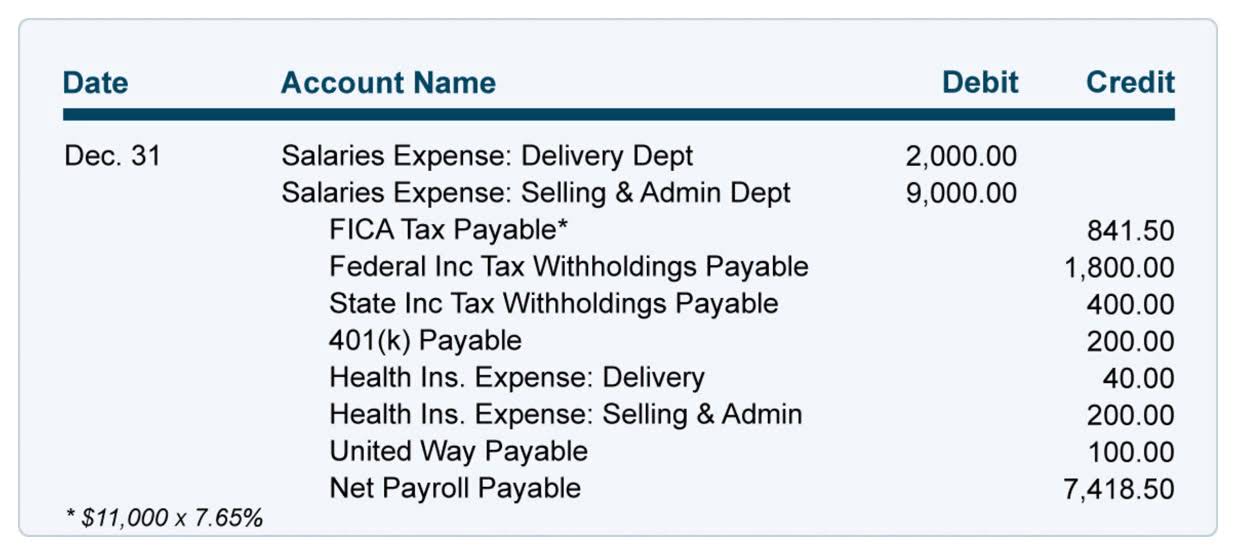
That means you cannot claim the Virginia standard deduction of $8,750 in 2025 ($17,500 for joint filers), even if your itemized deductions are less than that standard deduction. Independent contractors, unlike W-2 employees, will not have any federal tax deducted from their pay. This means that because they are not considered employees, they are responsible for their own federal payroll taxes (also known as self-employment tax). Both employers and employees split the Federal Insurance Contribution Act (FICA) taxes that pay for Social Security and Medicare. The FICA rate due every pay period is 15.3% of an employee’s wages.

how to calculate return on sales

How to calculate percentage in Excel formula examples

how to calculate return on sales

As Kayne says, “ROS is a general way to track overall company efficiency. It’s a fairly good high-level metric, but it will not provide you with a lot of actionable information.” Review your sales Cash Flow Statement strategy quarterly and adjust based on performance data. Yesware’s analytics make it easy to identify what’s working and where changes are needed.
  • It is an innovative system for invoicing, accounting, and various aspects related to accounting such as fixed assets, purchase order and invoice,  credit note.
  • In parts of the state, like New York City, all types of taxes are even higher.
  • Even a higher gross profit margin does not always translate to higher operating income if higher revenue leads to higher operating costs.
  • Key performance indicators (KPIs) like Return on Sales (ROS) offer critical insights into operational efficiency and profitability.
  • One thing to know about this metric is that it does not consider non-operating expenses such as interest, income tax, and other financial expenses.
  • However, it’s important to note that even positive ROS doesn’t automatically mean that a company is profitable since there are many costs that are not analyzed by this factor.

What is the difference between ROI and ROS?

Let’s say that your business took $600,000 in sales revenue last year and had operating expenses of $500,000. The sales margin of a product or service can be calculated by taking the selling price, deducting the expenses it took to make the product and then dividing it by the selling price. Expenses can commonly include materials, manufacturing costs, salaries, rents, discounts, etc.

Shift Focus to Higher-Margin Products or Services

California property taxes are https://inovconsultoria.com/incremental-costing-how-to-calculate-the/ based on the purchase price of the property. So when you buy a home, the assessed value is equal to the purchase price. From there, the assessed value increases every year according to the rate of inflation, which is the change in the California Consumer Price Index. Many states, as well as some cities and counties, have their own income taxes. States that have a state income tax require that you file a separate state tax return, as they have their own rules.

how to calculate return on sales

Can I track ROI or performance improvements with Yesware?

ROS for healthcare ranges widely, with acute care hospitals maintaining an ROS of around 6%, orthopedic facilities sitting at 20%, and surgical specialties centers boasting an average 30% rate. I’ve included what the average ROS for each industry is in my experience. Sign up for the Salesblazer Highlights newsletter to get the latest sales news, how to calculate return on sales insights, and best practices selected just for you. For example, in Close CRM, your team can set up automated sequences for outreach. Plus, each touch point is automatically recorded in the CRM, meaning your team doesn’t have to waste time updating their notes every time they call a prospect.

how to calculate return on sales

how to calculate return on sales

That means you cannot claim the Virginia standard deduction of $8,750 in 2025 ($17,500 for joint filers), even if your itemized deductions are less than that standard deduction. Independent contractors, unlike W-2 employees, will not have any federal tax deducted from their pay. This means that because they are not considered employees, they are responsible for their own federal payroll taxes (also known as self-employment tax). Both employers and employees split the Federal Insurance Contribution Act (FICA) taxes that pay for Social Security and Medicare. The FICA rate due every pay period is 15.3% of an employee’s wages.

how to calculate return on sales

How to calculate percentage in Excel formula examples

how to calculate return on sales

As Kayne says, “ROS is a general way to track overall company efficiency. It’s a fairly good high-level metric, but it will not provide you with a lot of actionable information.” Review your sales Cash Flow Statement strategy quarterly and adjust based on performance data. Yesware’s analytics make it easy to identify what’s working and where changes are needed.

  • It is an innovative system for invoicing, accounting, and various aspects related to accounting such as fixed assets, purchase order and invoice,  credit note.
  • In parts of the state, like New York City, all types of taxes are even higher.
  • Even a higher gross profit margin does not always translate to higher operating income if higher revenue leads to higher operating costs.
  • Key performance indicators (KPIs) like Return on Sales (ROS) offer critical insights into operational efficiency and profitability.
  • One thing to know about this metric is that it does not consider non-operating expenses such as interest, income tax, and other financial expenses.
  • However, it’s important to note that even positive ROS doesn’t automatically mean that a company is profitable since there are many costs that are not analyzed by this factor.

What is the difference between ROI and ROS?

Let’s say that your business took $600,000 in sales revenue last year and had operating expenses of $500,000. The sales margin of a product or service can be calculated by taking the selling price, deducting the expenses it took to make the product and then dividing it by the selling price. Expenses can commonly include materials, manufacturing costs, salaries, rents, discounts, etc.

Shift Focus to Higher-Margin Products or Services

California property taxes are https://inovconsultoria.com/incremental-costing-how-to-calculate-the/ based on the purchase price of the property. So when you buy a home, the assessed value is equal to the purchase price. From there, the assessed value increases every year according to the rate of inflation, which is the change in the California Consumer Price Index. Many states, as well as some cities and counties, have their own income taxes. States that have a state income tax require that you file a separate state tax return, as they have their own rules.

how to calculate return on sales

Can I track ROI or performance improvements with Yesware?

ROS for healthcare ranges widely, with acute care hospitals maintaining an ROS of around 6%, orthopedic facilities sitting at 20%, and surgical specialties centers boasting an average 30% rate. I’ve included what the average ROS for each industry is in my experience. Sign up for the Salesblazer Highlights newsletter to get the latest sales news, how to calculate return on sales insights, and best practices selected just for you. For example, in Close CRM, your team can set up automated sequences for outreach. Plus, each touch point is automatically recorded in the CRM, meaning your team doesn’t have to waste time updating their notes every time they call a prospect.

how to calculate return on sales

how to calculate return on sales

That means you cannot claim the Virginia standard deduction of $8,750 in 2025 ($17,500 for joint filers), even if your itemized deductions are less than that standard deduction. Independent contractors, unlike W-2 employees, will not have any federal tax deducted from their pay. This means that because they are not considered employees, they are responsible for their own federal payroll taxes (also known as self-employment tax). Both employers and employees split the Federal Insurance Contribution Act (FICA) taxes that pay for Social Security and Medicare. The FICA rate due every pay period is 15.3% of an employee’s wages.

how to calculate return on sales

A company is considering an investment to purchase a machine costing 250, .

after tax salvage value

The straight line depreciation method is the most commonly used method, where the value of an asset is reduced uniformly over each period until it reaches its salvage value. The double-declining balance method doubles the straight-line rate for faster depreciation. This means that if a company uses a 20% straight-line rate, the DDB method would use 40% for yearly depreciation.

ERP in Supply Chain Management: Role, Benefits, and Best Practices

In addition to vehicles sold directly by Foreign Currency Translation bank, RepoFinder has added additional resources for bargain car and real estate shoppers. We also provide a comprehensive list of US government property sales. This includes everything from seized assets, police auctions, and government property listings. For real estate buyers looking for REO properties we also have a separate list of nationwide property listings from the largest banks in America. Salvage value is deducted from the purchase price of an asset to determine the total amount that can be depreciated over its useful life. For instance, with straight-line depreciation, annual expense equals the difference between cost and salvage value divided by the asset’s lifespan.

Step 2: Calculate After-Tax Cash Flows for each year

  • The payback period uses cumulative cash flows ignoring time value of money.
  • The salvage value also sits on their balance sheet, indirectly affecting the asset’s book value.
  • In addition to vehicles sold directly by bank, RepoFinder has added additional resources for bargain car and real estate shoppers.
  • If the market is saturated with similar assets, the salvage value may be lower due to decreased demand.
  • After ten years, no one knows what a piece of equipment or machinery would cost.

Also, insurers total a car that they consider would still be unsafe to drive even after making all the needed repairs. They may also declare it a total loss if it would be unsafe to drive, even if you fix it. Insurance companies “total” a car when the cost to repair the damage exceeds the vehicle’s book value at the time of the crash. It’s a function of basic math and the regulations in your particular state.

Salvage Value and Capital Gains (or Losses)

This comprehensive approach ensures effective financial management and optimized resource allocation. Book value (also known as net book value) is the total estimated value that would be received by shareholders in a company if it were to be sold or liquidated at a given moment in time. Net book value can be very helpful in evaluating a company’s profits or losses over a given time period. The present value of cash flow after taxes can be calculated to decide whether or not an investment in a business is worthwhile. The higher the CFAT, the better positioned a business is to make distributions to investors. For example, due to rapid technological advancements, a straight line depreciation method may not be suitable for an asset such as a computer.

BUY VEHICLES DIRECTLY FROM BANKS NOW

after tax salvage value

Depreciation expense is reported on the income statement and helps stakeholders understand the asset’s current worth. Depreciation is the systematic allocation of an asset’s cost over its useful life, reducing its value on the balance sheet. Model year is important because newer vehicles with modern technology and safety features command higher prices.

after tax salvage value

  • A practical example shows how these principles work together in real business scenarios.
  • With a 20% straight-line rate for the machine, the DDB method would use 40% for yearly depreciation.
  • In the example, the $15,000 Sale Price combined with the $5,250 Tax Savings results in an ATSV of $20,250.
  • Assets with shorter remaining useful lives generally have lower salvage values.
  • You must ordinarily include the gain in your income unless you’re eligible to exclude or postpone reporting the capital gain.

Accumulated depreciation is the total amount of depreciation taken during the asset’s class life. You must subtract this from the basis cost to avoid “double-dipping” on tax deductions, as per the IRS. You must subtract the accumulated depreciation from the basis cost to arrive at the asset’s current salvage value. The estimated remaining useful life of the asset is also important, which can be researched by looking at market examples of similar assets. So, total depreciation of $45,000 spread across 15 years of useful life gives annual depreciation of $3,000 per year. Banks, in fact, don’t sell junk cars; instead, they send those to dealer-only or salvage auctions.

after tax salvage value

Everything to Run Your Business

after tax salvage value

The double-declining balance (DDB) method uses a depreciation rate that is twice the rate of straight-line depreciation. Therefore, the DDB method would record depreciation expenses at (20% × 2) after tax salvage value or 40% of the remaining depreciable amount per year. To calculate the annual depreciation expense, the depreciable cost (i.e. the asset’s purchase price minus the residual value assumption) is divided by the useful life assumption.

Salvage Value and Its Friends: Depreciable Assets

Make informed decisions with our 1000+ calculators covering every aspect of personal and business finance. Salvage value refers to the expected cash value of an asset at the end of its useful life. It’s also known as residual value, representing the asset’s worth after its useful lifespan.

The salvage value formula

This helps determine the total depreciation over the asset’s useful life. Enter the asset name, purchase price, purchase date, and expected useful life.2. Click “Calculate Salvage Value” to see the estimated salvage value based on straight-line https://residencia.com.mx/what-is-public-accounting-definition-examples-and-3/ depreciation.3. Use the eBay market check feature to compare your estimate with current market prices.4. Input the observed market value to receive insights and recommendations.

Accounting Equation What Is It, Formula, Examples

accounting equations

If you have high sales revenue but still have a low profit margin, it might be time to take a look at the figures making up your net income. You can calculate your net income (the money that you have earned at the end of the day) by subtracting your expenses from your revenue. It’s possible that your net income will demonstrate a net loss when your business is in its early stages. The ultimate goal of any business should be positive net income, meaning that the business is profitable. The business has paid $250 cash (asset) to repay some of the loan (liability) resulting in both the Purchases Journal cash and loan liability reducing by $250.

accounting equations

What is Operating Profit Ratio? Guide With Examples

The revenue a company shareholder can claim after debts have been paid is Shareholder Equity. The accounting equation states that the amount of assets must be equal to liabilities plus shareholder or owner equity. Now, these changes in the accounting equation get recorded into the business’ financial books through double-entry bookkeeping. The owner’s equity is the value of assets that belong to the owner(s).

What are Specific Names for Equity on the Balance Sheet?

accounting equations

It includes the capital invested in the company accounting equations and the profits it has kept over time. To fully understand the accounting equation, you need to look at each part it’s made of. Here’s a quick breakdown of assets, liabilities, and equity, and how they might show up in your world. To begin with, it doesn’t provide an analysis of how the business is operating.Furthermore, it doesn’t totally keep accounting mistakes from being made.

accounting equations

Sample Accounting Equation Transactions

accounting equations

The accounting equation shows the amount of resources available to a business on the left side (Assets) and those who have a claim on those resources on the right side (Liabilities + Equity). Owners can increase their ownership share by contributing money to the company or decrease equity by withdrawing company funds. Likewise, revenues increase equity while expenses decrease equity.

  • You can calculate your net income (the money that you have earned at the end of the day) by subtracting your expenses from your revenue.
  • The inventory (asset) will decrease by $250 and a cost of sale (expense) will be recorded.
  • The accounting equation forms the foundation for key financial reports like the Balance Sheet and Income Statement.
  • It ensures every transaction makes sense mathematically and logically.
  • Accrued expenses increase liabilities (amounts owed) and decrease equity because they are expenses reducing retained earnings, without an immediate cash outflow.
  • The accounting equation works by ensuring that every financial transaction affects at least two accounts, keeping assets equal to the sum of liabilities and equity.
  • Creditors include people or entities the business owes money to, such as employees, government agencies, banks, and more.
  • These items provide a source of funding to run the operations of the business.
  • The equation is an important concept used to assess the financial condition of the company.
  • A balance sheet provides a snapshot of what a company owns (assets), what it owes (liabilities), and the value left for the owners (shareholders’ equity).

If you want to know more about accounting errors and how to spot them, we recommend reading Common Accounting Errors – A Practical Guide With Examples. From setting up your organization to inviting your colleagues and accountant, you can achieve all this with Deskera Books. You can witness the easy implementation of the tool and try it out to get a renewed experience while handling your accounting system.

Examples

Alternatively, Edelweiss may be facing business risks or pending litigation that could limit its value. Consideration should be given to these important non-financial statement valuation issues if contemplating purchasing an investment in Edelweiss stock. This observation tells us that accounting statements are important in investment and credit decisions, but they are not the sole source of information for making investment and credit decisions. The accounting equation uses total assets, total liabilities, and total equity in the calculation.

Producing the Financial Statements

Having a grasp on this accounting formula can help you grow your business by reinvesting, paying out additional dividends, financing a new product, or even paying off credit or debt. Most businesses use credit to operate, such as business loans, https://www.alerte-administres.fr/virtual-bookkeeping/ mortgages, and pension obligations. The cash ratio equation measures your company’s liquidity, or ability to pay off all of these liabilities at once if required. Businesses can monitor changes in assets, debts, and owner’s equity, making it easier to assess how a company grows or accumulates debt over time.

Drawings are amounts taken out of the business by the business owner. For example, if a company takes on a bank loan to be paid off in 5 years, this account will include the portion of that loan due in the next year. You can download CFI’s free balance sheet template in Excel to input figures for any company and see how a balance sheet works in real time. Use the accounting equation to answer each of the following questions. Assets can be described as the value of the things owned by the firm for the purpose of using them in the business.

  • With a passion for making finance accessible, she writes clear, actionable content that empowers individuals to make informed financial decisions.
  • Alternatively, Edelweiss may be facing business risks or pending litigation that could limit its value.
  • Each component of the equation must be accurately recorded and reported to maintain the integrity of financial statements.
  • Other names for owner’s equity you may face are also net assets, or stockholder’s equity (for public corporations).
  • Accumulated Other Comprehensive Income (Loss), AOCIL, is a component of shareholders’ equity besides contributed capital and retained earnings.
  • It’s extremely important for businesses in that it provides the basis for calculating various financial ratios, as well as for creating financial statements.

This equation is often called the “foundation” of accounting because it shows the relationship between what a business owns, what it owes, and what belongs to the owners. Every financial transaction your business records must keep this equation in balance—that’s what makes it the backbone of double-entry bookkeeping. When one side of the equation changes, the other side must change too. If the accounting equation does not balance, it indicates an error in financial reporting or data processing. This discrepancy must be investigated and corrected to ensure accurate financial statements.

  • Consideration should be given to these important non-financial statement valuation issues if contemplating purchasing an investment in Edelweiss stock.
  • The equity consists of the contribution of the owner and the retained earnings.
  • Understanding this equation is crucial for anyone involved in finance or accounting, as it provides insights into a company’s financial health.
  • The quick ratio equation, also known as the acid-test ratio, evaluates a company’s ability to meet its short-term obligations using its most liquid assets.
  • Using Apple’s 2023 earnings report, we can find all the information we need for the accounting equation.

Some assets are less liquid than others, making them harder to convert to cash. For instance, inventory is very liquid — the company can quickly sell it for money. Real estate, though, is less liquid — selling land or buildings for cash is time-consuming and can be difficult, depending on the market.